




How Does a Hot Melt Adhesive Work?
Hot melt adhesive is a thermoplastic adhesive that becomes fluid when heated and forms a strong bond as it cools and solidifies. Unlike water-based or solvent-based adhesives, hot melt glue does not require water or solvents to evaporate during the bonding process. This makes it suitable for fast, continuous industrial applications such as packaging, labeling, carton sealing, woodworking, and product assembly.
So, how does hot melt adhesive work? In simple terms, the adhesive is heated until it melts, applied to a surface, brought into contact with another material, and then cooled to form a solid bond.
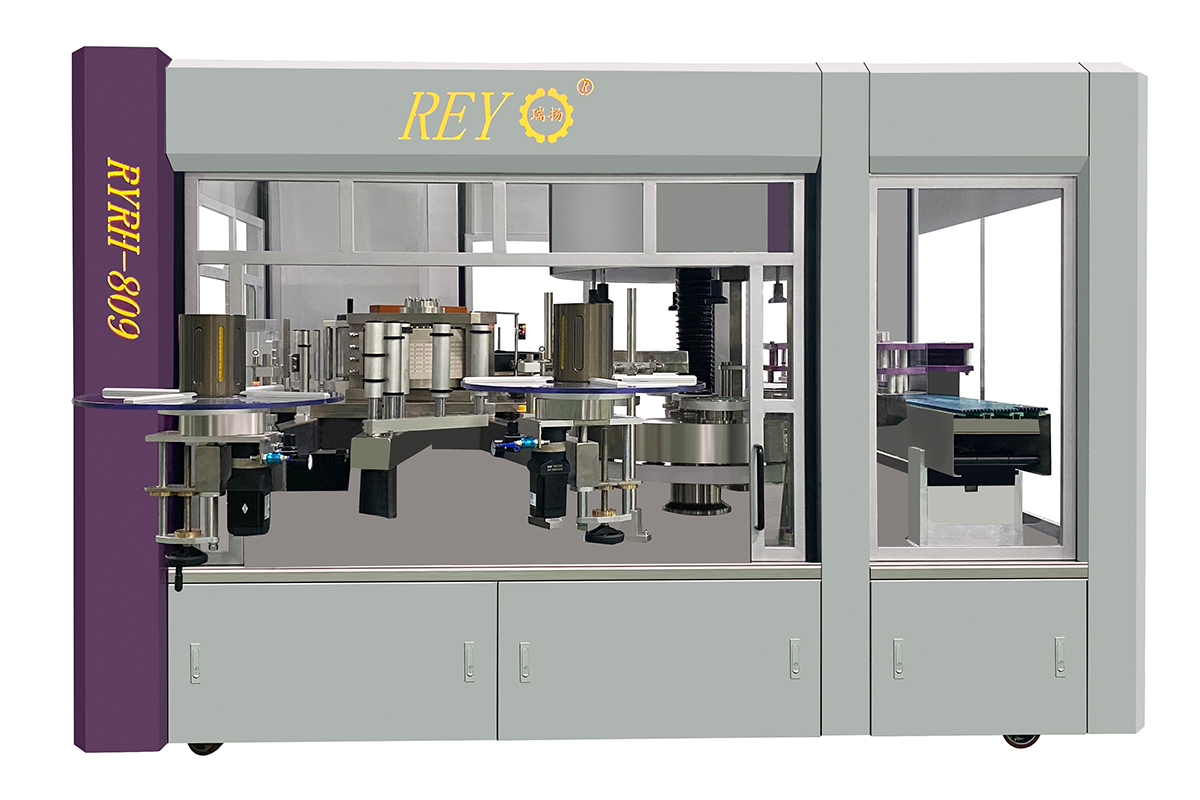
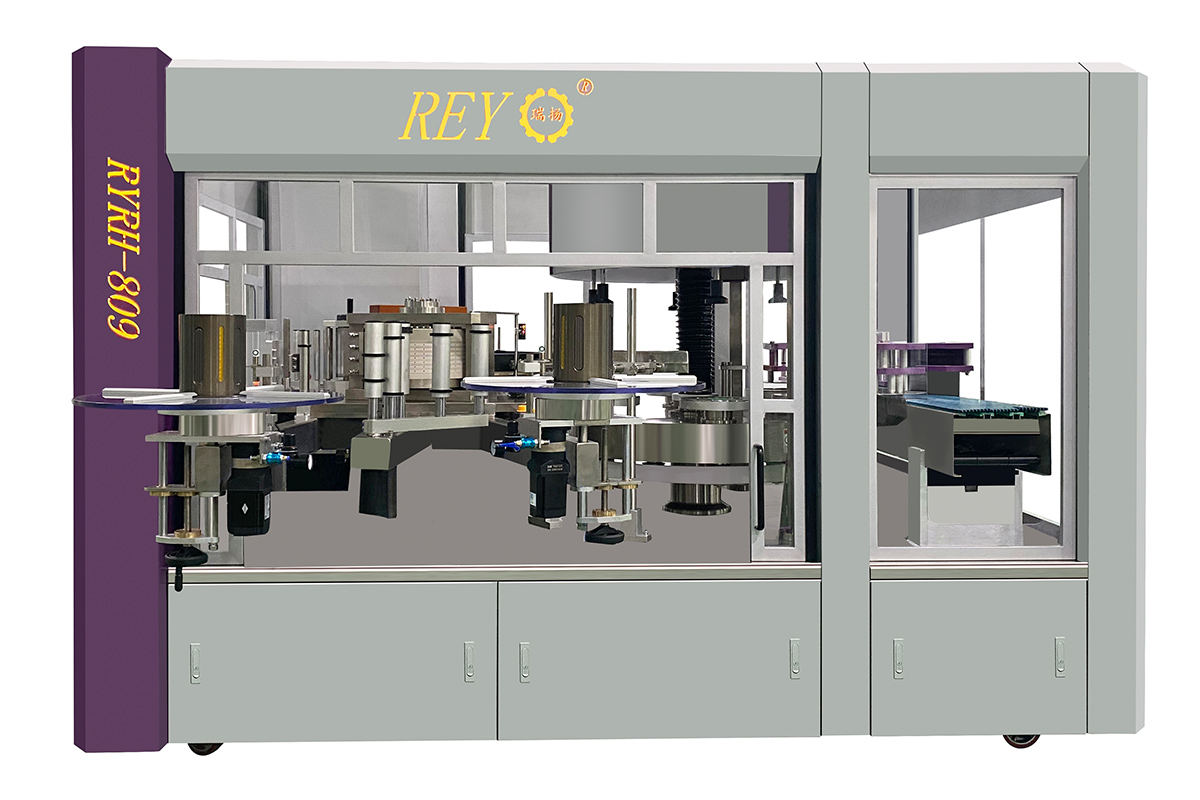
For high-speed labeling applications, this fast melting and setting process makes hot melt glue particularly suitable for OPP Labeling Machines and other industrial labeling equipment.
What Is Hot Melt Adhesive?
Hot melt adhesive, also known as hot melt glue, is a solid adhesive that is designed to melt when heated and return to a solid state when cooled.
It is commonly supplied in forms such as pellets, granules, blocks, or other solid formats. Depending on its formulation, hot melt adhesive can be designed for different substrates, temperatures, bonding strengths, and industrial applications.
In labeling applications, hot melt adhesive is often used to attach OPP labels to bottles and other containers. The adhesive provides fast bonding and is well suited to automated production lines where labels need to be applied accurately at high speeds.
How Does Hot Melt Adhesive Work?
The working principle of hot melt adhesive can be divided into several basic stages: heating, melting, application, bonding, and cooling.
1. Heating the Hot Melt Adhesive
The process begins by placing solid hot melt glue into a heated adhesive system. The adhesive is heated to a controlled operating temperature until it reaches a molten state.
Temperature control is important because the adhesive must have enough fluidity for smooth application while avoiding excessive heating that could affect adhesive performance.
2. Melting and Flowing
Once heated, hot melt adhesive changes from a solid material into a molten adhesive with good flowability.
The melted adhesive can then be transported through an adhesive system and applied to the required area. The viscosity of the adhesive at the operating temperature affects how easily it can be pumped, transferred, and applied.
3. Applying the Adhesive
The molten adhesive is applied to the substrate through a suitable application system.
Depending on the application, hot melt glue may be applied by rollers, nozzles, spray systems, or other coating mechanisms.
For OPP labeling, the adhesive application needs to be precisely controlled because the amount and position of glue directly affect label adhesion, appearance, and production efficiency.
4. Contact and Wetting
After the hot melt adhesive is applied, it comes into contact with the label and container surface.
Because the adhesive is still molten, it can spread over the contact area and wet the surfaces. Good surface wetting helps establish effective adhesion between the label and the container.
5. Cooling and Solidification
After the label is pressed onto the container, the hot melt adhesive begins to cool.
As the temperature decreases, the adhesive changes from a molten state back into a solid state. This rapid solidification creates the bond that holds the label in position.
Unlike adhesives that need a long drying process, hot melt adhesive can develop handling strength relatively quickly. This is one of the main reasons it is widely used in high-speed automated production.
How Does Hot Melt Glue Work in Labeling Machines?
The working principle becomes particularly important when hot melt glue is used in an automatic labeling machine.
In a typical hot melt labeling process, the machine first feeds the containers into the labeling station. The OPP label is then supplied from a continuous label roll and cut or prepared to the required length.
At the same time, hot melt glue is heated and maintained at the required operating temperature. A controlled amount of molten adhesive is applied to specific areas of the label.
The label is then transferred to the container surface. The machine wraps or positions the label around the container while applying controlled pressure to ensure sufficient contact.
Finally, the hot melt adhesive cools and solidifies, securing the OPP label to the container.
This coordinated process allows a Hot Melt Glue Labeling Machine to continuously perform adhesive heating, label feeding, glue application, label positioning, wrapping, and bonding.
Why Is Hot Melt Glue Used for OPP Labeling?
OPP, or oriented polypropylene, is widely used for labels because it offers good appearance, durability, and resistance to moisture.
However, OPP labels require an appropriate adhesive system to achieve reliable bonding with different container materials.
A properly selected hot melt adhesive can provide several advantages for OPP labeling.
Fast Setting
Hot melt glue solidifies rapidly after application. This allows the labeling process to continue at high production speeds without waiting for a long drying period.
High Production Efficiency
Because hot melt adhesive can develop bonding strength quickly, it is suitable for continuous automated production lines.
Consistent Adhesive Application
A properly designed adhesive application system can control the amount and position of glue applied to each label, helping improve labeling consistency.
Suitable for High-Speed Labeling
The rapid bonding characteristics of hot melt glue make it suitable for high speed labeling machine applications where large numbers of containers need to be processed continuously.
Good Compatibility with Industrial Automation
Hot melt adhesive systems can be integrated with automatic labeling equipment to create a continuous labeling process with minimal manual intervention.
What Is an OPP Hot Melt Glue Labeling Machine?
An OPP hot melt glue labeling machine is an automated labeling system designed to apply OPP labels to containers using hot melt adhesive.
Unlike pressure-sensitive labeling machines that use self-adhesive labels, an OPP hot melt glue labeling machine uses a separate hot melt adhesive system to bond the label to the container.
A typical system may include:
Container feeding system
OPP label feeding system
Label cutting system
Hot melt adhesive heating system
Glue application system
Label wrapping or positioning system
Bottle stabilization and pressing system
Control system
These components work together to create a continuous labeling process.
For manufacturers handling large production volumes, an OPP labeling machine can provide a practical solution for automated and consistent container labeling.
How Does an OPP Labeling Machine Work?
An OPP labeling machine generally follows several automated steps.
Container Feeding
Containers enter the machine through a conveyor system and are positioned at the required labeling point.
Label Feeding
The OPP label material is continuously fed from a label roll. The machine controls label feeding according to the required label length and container position.
Label Cutting
The continuous OPP material is cut into individual labels according to the preset specifications.
Hot Melt Glue Application
The hot melt adhesive is heated to the required temperature and applied to designated areas of the label.
Label Application
The glued label is transferred onto the container and wrapped around its surface.
Pressing and Bonding
The machine applies controlled pressure to help the label maintain close contact with the container while the adhesive cools.
Finished Product Output
After bonding, the labeled containers are transferred to the next production process.
This automated workflow allows manufacturers to achieve consistent labeling while reducing manual labor and improving production efficiency.
Hot Melt Glue Labeling Machine vs. Self-Adhesive Labeling Machine
The main difference is the way the label is bonded to the container.
A self-adhesive labeling machine uses pressure-sensitive labels that already contain an adhesive layer. The label is peeled from its backing material and pressed directly onto the container.
A hot melt glue labeling machine, on the other hand, applies hot melt adhesive during the labeling process.
For high-volume beverage, food, chemical, and other packaging applications, hot melt glue labeling can be an efficient solution, particularly when OPP roll-fed labels are required.
Applications of Hot Melt Adhesive Labeling Machines
Hot melt labeling systems can be used across a wide range of industries.
Beverage Packaging
OPP hot melt labeling is widely used for bottles and containers in beverage production, where high throughput and consistent label placement are important.
Food Packaging
Food manufacturers can use automated labeling systems for different types of bottles, jars, and containers.
Chemical Packaging
Industrial and household chemical containers can also require durable and accurately positioned labels.
Personal Care Products
Bottles and containers for personal care products can benefit from automated OPP labeling solutions.
Industrial Products
For manufacturers with large production volumes, industrial labeling equipment can help automate repetitive labeling processes and improve production consistency.
What Should You Consider When Choosing a Hot Melt Labeling Machine?
Choosing the right machine requires more than simply looking at the maximum labeling speed.
Production Speed
Consider your required production capacity and container throughput. A high speed labeling machine should be selected according to actual production requirements rather than maximum speed alone.
Container Shape and Size
Bottle diameter, height, shape, and material can all affect the labeling process. The machine should be designed or configured for the specific container range.
Label Material
Different OPP label materials and thicknesses may require different feeding, cutting, and adhesive application settings.
Hot Melt Adhesive Compatibility
The adhesive formulation, melting temperature, viscosity, and bonding characteristics should be compatible with the labeling machine and the substrates being labeled.
Labeling Accuracy
Accurate label feeding, cutting, glue application, and container positioning are essential for achieving consistent results.
Production Environment
For demanding industrial applications, the machine should be designed for continuous operation, easy maintenance, and reliable performance.
Why Choose a Professional Labeling Machine Manufacturer?
A professional labeling machine manufacturer can provide more than a standard machine. For industrial applications, the supplier should understand the complete labeling process, including container handling, label materials, adhesive application, machine configuration, and production requirements.
An experienced labeling machine supplier can help customers select suitable equipment based on:
Container specifications
Label dimensions
Label material
Required production speed
Adhesive type
Production environment
Automation requirements
For manufacturers with high-volume production lines, working directly with an automatic labeling machine factory can also make it easier to obtain customized equipment, technical support, installation guidance, and after-sales service.
As an industrial labeling equipment solution, a fully automatic labeling machine can integrate multiple labeling processes into one continuous production line, reducing manual operations and improving overall efficiency.
How Can a Hot Melt Adhesive Manufacturer Support Labeling Applications?
The performance of hot melt glue depends heavily on the adhesive formulation and the materials being bonded.
A professional hot melt adhesive manufacturer can develop or recommend adhesive formulations according to specific requirements, such as:
OPP labels
PET bottles
Glass bottles
Plastic containers
Different operating temperatures
Different production speeds
Moisture resistance
Bonding strength
Open time and setting time
This is particularly important for high-speed labeling because the adhesive needs to maintain stable performance under continuous production conditions.
Industrial Hot Melt Adhesive for Automated Labeling
Industrial hot melt adhesive is formulated for demanding production environments where consistent bonding and fast processing are required.
For automated labeling applications, important adhesive properties may include melting behavior, viscosity, open time, setting speed, bonding strength, and compatibility with the label and container materials.
The adhesive and labeling machine should therefore be considered as a complete system rather than two completely independent components.
A well-matched hot melt adhesive and labeling machine can help manufacturers achieve stable glue application, reliable label bonding, and efficient continuous production.
So, how does hot melt adhesive work?
The basic principle is simple: hot melt glue is heated until it becomes molten, applied to the required surface, and then cooled to form a solid bond. Its rapid setting characteristics make it particularly suitable for automated industrial applications.
In OPP labeling, this principle is combined with precise label feeding, cutting, glue application, wrapping, and pressing. An OPP hot melt glue labeling machine can therefore provide an efficient solution for manufacturers requiring high-speed and consistent bottle labeling.
If you are looking for a hot melt glue labeling machine for OPP labels, selecting the right machine configuration, adhesive system, and automation level is essential. Working with an experienced labeling machine manufacturer or labeling machine supplier can help ensure that the equipment matches your containers, labels, adhesive, and production capacity.
FAQ
What Is Hot Melt Adhesive?
Hot melt adhesive is a thermoplastic adhesive that becomes molten when heated and solidifies when cooled. It is widely used for packaging, labeling, assembly, and other industrial applications.
How Does Hot Melt Adhesive Work?
Hot melt adhesive works by changing from a solid to a molten state when heated. After application, it bonds the surfaces and then cools and solidifies to form the final bond.
What Is Hot Melt Glue Used For?
Hot melt glue is commonly used for packaging, carton sealing, labeling, woodworking, product assembly, and various industrial bonding applications.
Why Is Hot Melt Glue Suitable for OPP Labeling?
Hot melt glue can provide fast setting and reliable bonding, making it suitable for continuous OPP labeling applications where high production efficiency is required.
What Is an OPP Hot Melt Glue Labeling Machine?
An OPP hot melt glue labeling machine is an automated labeling machine that applies OPP roll-fed labels to containers using hot melt adhesive.
What Is the Difference Between an OPP Labeling Machine and a Self-Adhesive Labeling Machine?
An OPP labeling machine using hot melt glue applies adhesive during the labeling process, while a self-adhesive labeling machine uses labels that already have a pressure-sensitive adhesive layer.
Can a Hot Melt Labeling Machine Be Customized?
Yes. A professional labeling machine manufacturer can configure or customize the machine according to container dimensions, label specifications, production speed, adhesive requirements, and automation needs.
What Industries Use Hot Melt Labeling Machines?
Hot melt labeling machines are commonly used in beverage, food, chemical, personal care, and other industries that require high-volume automated labeling.
How Do I Choose a Hot Melt Glue Labeling Machine?
Consider the container shape and size, OPP label specifications, required production speed, adhesive type, labeling accuracy, automation level, and production environment before selecting a machine.