




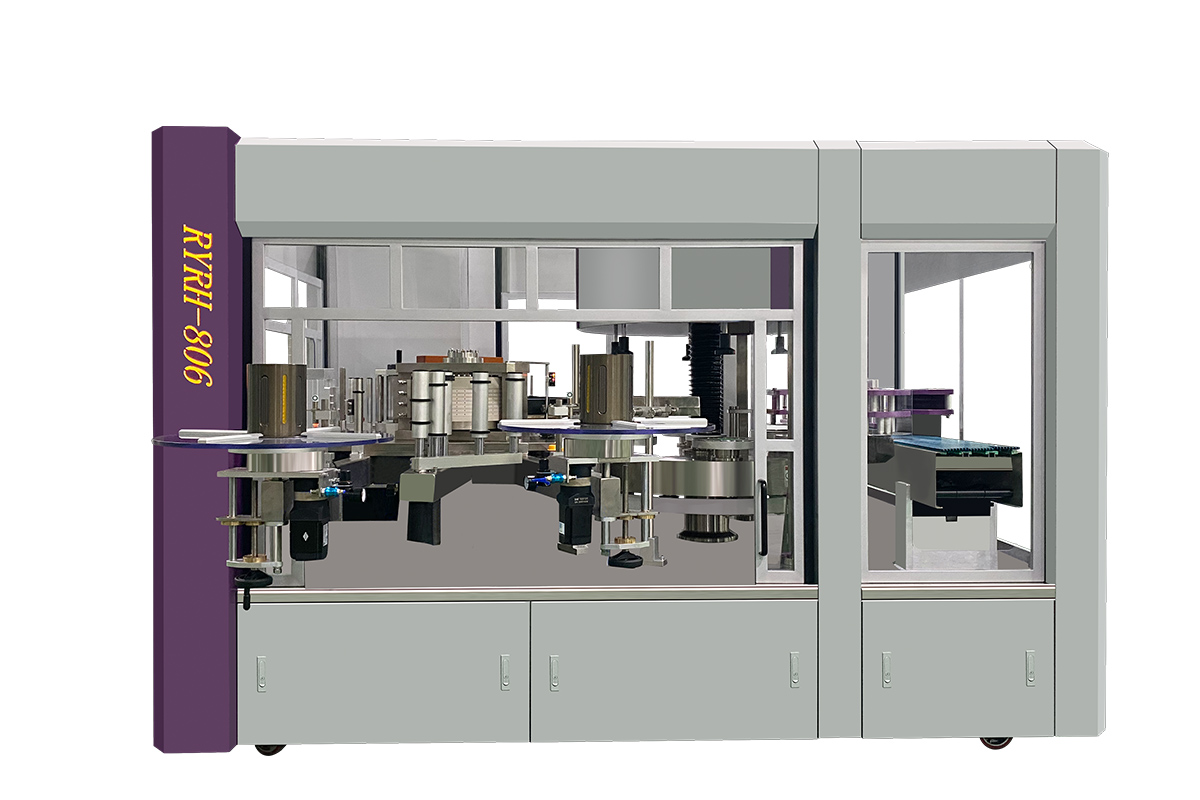
How to Use a Hot Melt Glue Labeling Machine
The REYO Hot Melt Glue Labeling Machine is engineered for high-speed, automatic labeling of large-volume cylindrical and column-shaped containers, including round, square, flat, and oval bottles. Using an advanced hot melt glue labeling system, it delivers reliable OPP label application while preserving the original printed pattern without distortion. For manufacturers new to this equipment — or teams looking to optimize daily operation — understanding how to properly set up, run, and maintain a hot melt glue labeling machine is key to achieving consistent labeling quality and maximizing production efficiency.
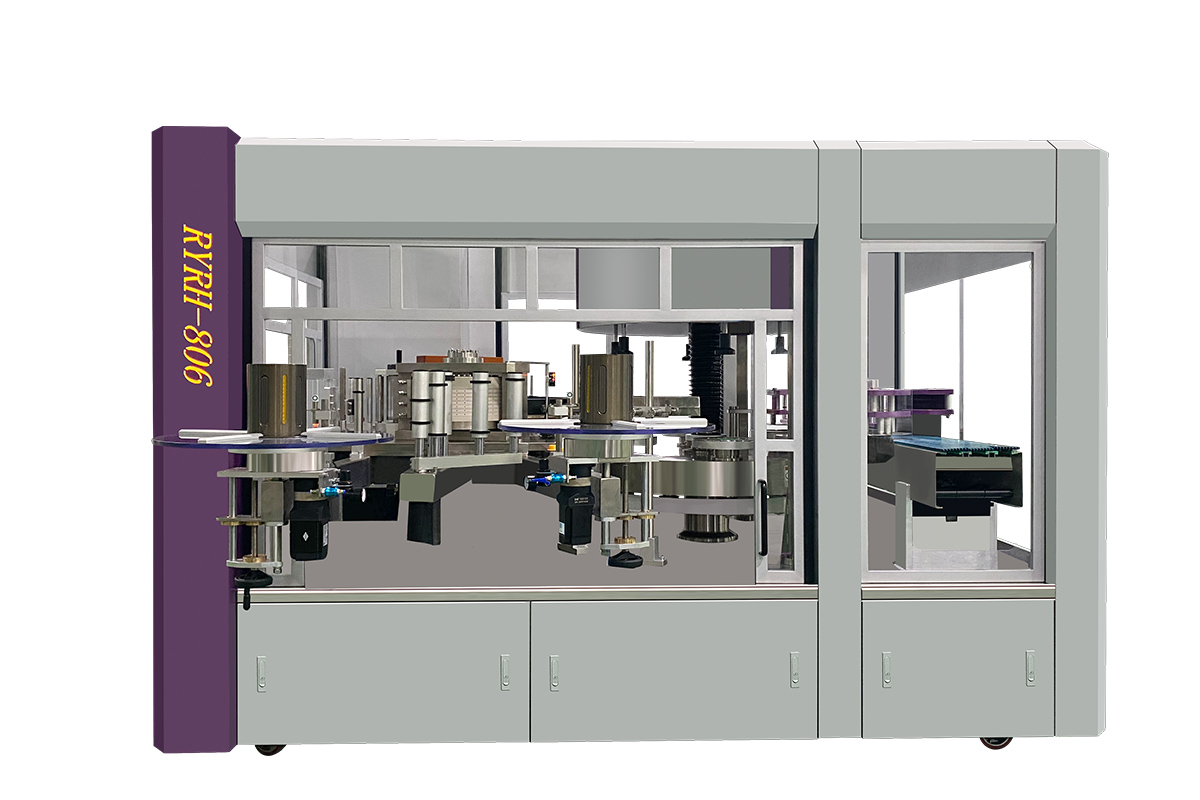
What is a Hot Melt Glue Labeling Machine?
A hot melt glue labeling machine is a type of fully automatic labeling machine that applies labels using melted adhesive rather than pre-coated self-adhesive labels. This method is especially popular for OPP (Oriented Polypropylene) labels, which offer a cost-effective, high-clarity alternative to traditional self-adhesive labeling solutions. Because OPP labels use less material and adhesive is applied precisely where needed, manufacturers can reduce packaging material costs while still achieving an attractive, professional finished appearance.
Below is a step-by-step overview of how to use a hot melt glue labeling machine effectively in a production environment.
Step 1: Prepare the Machine and Check Core Components
Before starting production, operators should inspect the key systems of the automatic labeling machine, including:
The high-performance servo labeling system, which controls label feeding speed and accuracy
The precision cutting technology, responsible for cutting each OPP label to the correct length
The automatic lubrication system, which keeps moving parts running smoothly during high-speed operation
The centralized speed control panel, which allows operators to monitor and adjust machine performance in real time
Checking these components before startup helps prevent downtime and ensures stable operation once production begins.
Step 2: Load the OPP Labels and Set Up the Hot Melt Glue System
Load the roll of OPP labels into the label feeding unit, making sure the label alignment matches the container shape — whether round, square, flat, or oval. Next, activate the hot melt glue system, which melts and applies adhesive directly onto the label before it is pressed onto the container surface. Proper glue temperature and application volume are important at this stage, as they directly affect how well the label adheres without wrinkling, bubbling, or distorting the printed pattern.
Step 3: Adjust Settings for Container Type and Production Speed
Because the machine is designed for large-volume cylindrical and column-shaped containers, operators should adjust the labeling parameters based on container geometry — round, square, flat, or oval bottles each require slightly different positioning and pressure settings. Using the centralized speed control, production speed can be adjusted to match downstream processes such as filling, capping, or packing lines, ensuring the entire production flow remains synchronized.
Step 4: Run a Test Cycle Before Full Production
Before committing to a full production run, it's recommended to run a short test cycle. This allows operators to check:
Label placement accuracy on the container surface
Glue adhesion quality and drying time
Whether the printed pattern remains undistorted after application
Overall machine stability at the intended production speed
Making small adjustments at this stage helps avoid material waste once full-speed production begins.
Step 5: Monitor During Continuous Production
Once production is underway, the fully automatic labeling machine requires minimal manual intervention, but periodic monitoring is still recommended. Operators should watch for:
Consistent label feeding without jams
Stable glue application across all containers
Smooth, high-speed operation without unusual vibration or noise
Signs that the automatic lubrication system needs refilling
Because the system is built for demanding industrial environments, most day-to-day operation involves simple oversight rather than constant adjustment.
Step 6: Perform Routine Maintenance
To keep the hot melt glue labeling machine running reliably over the long term, routine maintenance should include:
Cleaning residual glue from applicator components after extended use
Checking the precision cutting blade for wear
Verifying the automatic lubrication system is functioning correctly
Inspecting the servo labeling system for consistent, accurate performance
Regular maintenance helps extend the equipment's service life and maintain consistent labeling quality over time.
Why Manufacturers Choose Hot Melt Glue Labeling for OPP Labels
Compared with traditional Self-Adhesive Labeling Machines, an OPP hot melt glue labeling machine offers several practical advantages:
Lower packaging material costs, since OPP labels typically cost less than self-adhesive alternatives
High-speed, high-efficiency labeling, suited for large production volumes
Consistent labeling quality, thanks to servo-driven precision and closed-loop control
Undistorted printed patterns, preserving brand appearance and print quality
Versatility across container shapes, including round, square, flat, and oval bottles
Learning how to use a hot melt glue labeling machine properly — from initial setup and label loading to routine maintenance — is essential for manufacturers who want to maximize the benefits of this technology. With its combination of a high-performance servo labeling system, precision cutting, automatic lubrication, and centralized speed control, the REYO hot melt glue labeling machine offers a stable, efficient, and cost-effective solution for high-speed OPP labeling across a wide range of container types.
For more details on specifications and customization options, visit the Hot Melt Glue Labeling Machine page, or explore the fully automatic labeling machine product line to find the right configuration for your production needs.