




How Do Label Machines Work?
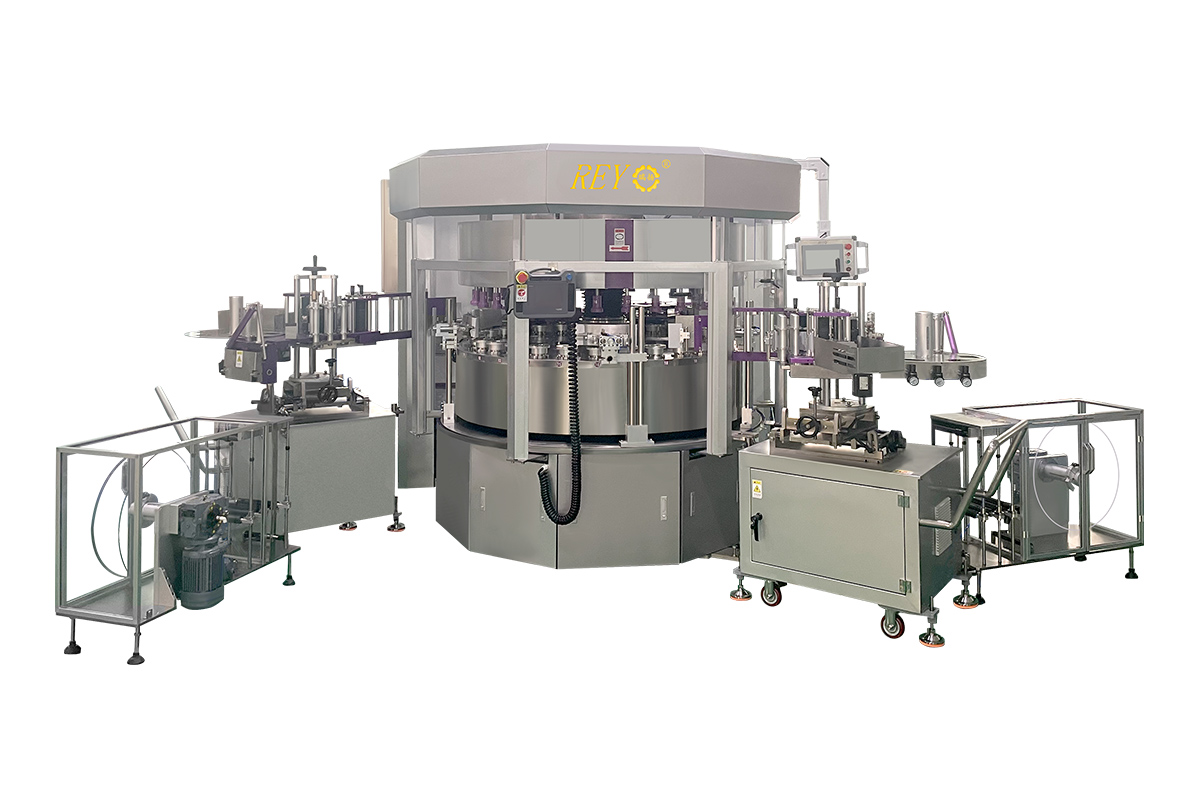
Label machines are designed to automate the process of applying labels to products, containers, bottles, boxes, and other packaging. But how do label machines work? In a typical automatic labeling machine, products are fed into the machine, detected by sensors, positioned correctly, and then matched with labels that are automatically fed and applied to the product surface.
The entire process is coordinated by mechanical components, sensors, motors, and a control system to ensure that each label is applied at the correct position. Compared with manual labeling, an automatic labeler can provide higher labeling efficiency, more consistent label placement, and better suitability for continuous production.
This article explains how an automatic labeling machine works step by step, from product feeding to the final labeled product, while introducing the key technologies that affect labeling speed and accuracy.
How Does an Automatic Labeling Machine Work?
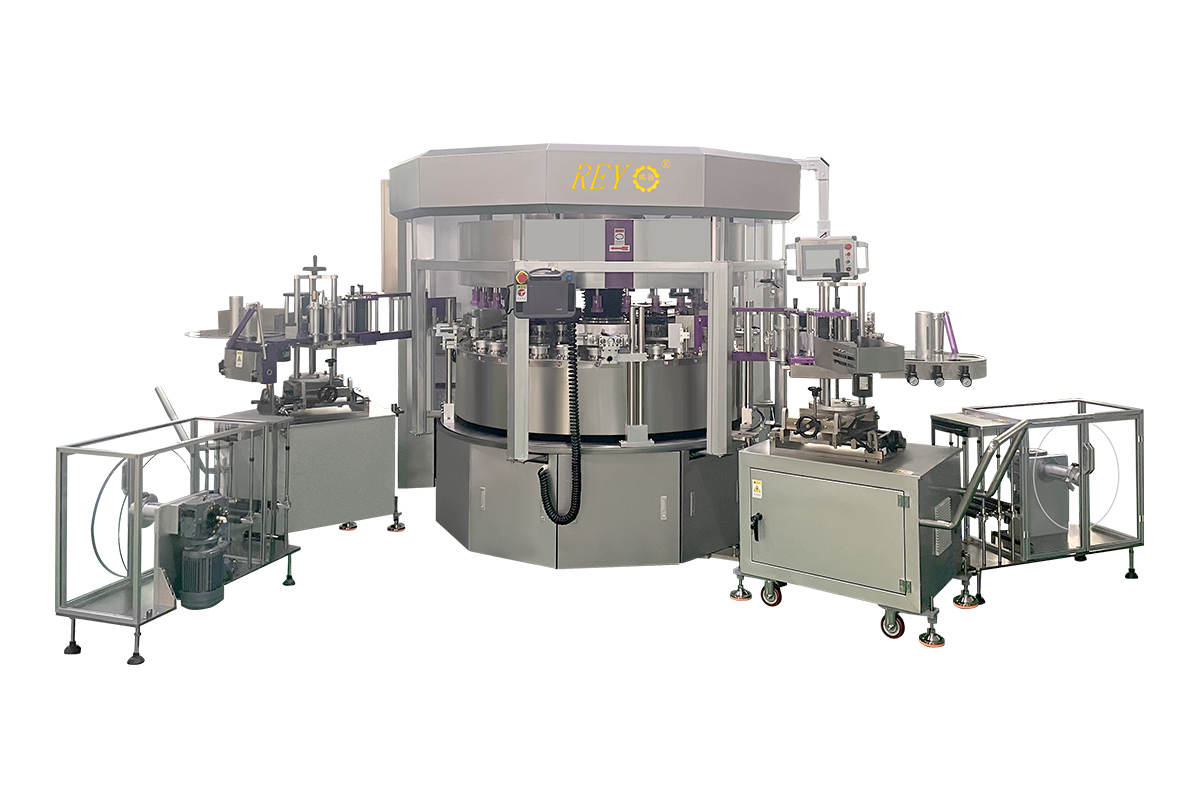
An automatic labeling machine generally works by coordinating product feeding, product detection, label feeding, label positioning, label application, and product discharge.
The basic labeling process can be summarized as:
Product Feeding → Product Detection → Label Feeding → Label Positioning → Label Separation → Label Application → Product Discharge
Each stage plays an important role in ensuring that the label reaches the correct position on the product.
Step 1: Product Feeding
The labeling process begins when products enter the machine through a conveyor or feeding system. The feeding mechanism moves products toward the labeling area at a controlled speed.
For an automatic labeling system, product spacing and movement need to remain stable. Consistent product positioning allows the labeling machine to accurately coordinate the product with the label.
Depending on the application, the machine may use different feeding and positioning mechanisms for round bottles, flat boxes, buckets, cartons, containers, or other product shapes.
Why Is Product Positioning Important?
If products enter the labeling area at inconsistent intervals or positions, the label may be applied too early, too late, or at an incorrect location. A stable product feeding system therefore provides the foundation for accurate automated labeling.
Step 2: Product Detection
After the product enters the labeling area, sensors detect its presence. Photoelectric sensors and other detection components can identify when a product reaches the predetermined labeling position.
The control system receives this signal and determines when the label should be released and applied.
For example, when a bottle passes the detection sensor, the system can calculate the appropriate timing for label feeding based on the bottle's position and movement speed.
How Do Sensors Help a Labeling Machine?
Sensors help synchronize product movement with label application. This reduces the risk of missing products, applying labels at the wrong position, or creating inconsistent spacing between labels.
In a high-speed industrial labeling machine, accurate product detection is especially important because products continuously move through the production line.
Step 3: Label Feeding
Once the product is detected, the labeling machine begins feeding the label from a label roll. The label roll is mounted on the machine's unwinding mechanism, while motors and control components regulate the feeding process.
The label feeding system needs to maintain stable tension and speed so that each label reaches the application point at the correct time.
What Is the Role of the Label Feeding System?
The label feeding system controls how quickly and consistently labels move toward the peeling and application area. Stable label feeding helps prevent problems such as label stretching, excessive spacing, inaccurate positioning, or label jams.
REYO labeling machines are engineered for stable and continuous operation, with label feeding speeds of up to 160 m/min. This high-speed label feeding capability helps REYO automatic labeling machines meet the requirements of efficient production lines while maintaining consistent label delivery.
Step 4: Label Positioning
After the label is fed from the roll, the machine must determine exactly when and where the label should be applied.
The control system coordinates information from sensors, motors, encoders, and other components to synchronize label movement with product movement.
This synchronization is especially important when labels need to be positioned at a specific distance from the top, bottom, edge, or another reference point on the product.
How Does an Automatic Labeler Position Labels?
An automatic labeler uses programmed parameters and detection signals to control label release timing. Depending on the machine design, sensors can detect both product position and label position to maintain consistent application.
Accurate positioning allows manufacturers to achieve a uniform appearance across large quantities of products.
Step 5: Label Separation
For pressure-sensitive self-adhesive labels, the label is typically separated from its backing paper before application.
The label backing passes around a peeling edge or dispensing mechanism. As the backing changes direction, the label separates from the liner and moves into the correct position for application.
This process must be carefully controlled because excessive tension or unstable label feeding can affect the position and timing of the label.
What Happens to the Label Backing?
The backing material continues through the machine and is collected or discharged after the adhesive label has been separated. This allows the next label to move into position for continuous labeling.
Step 6: Label Application
Once the label reaches the correct position and the product is detected, the machine applies the label to the product surface.
Depending on the machine configuration and product type, different application mechanisms can be used, including applicator rollers, brushes, pressing mechanisms, or other specialized components.
The application mechanism presses the label onto the product surface to ensure proper contact between the adhesive and the product.
How Is Labeling Accuracy Achieved?
Labeling accuracy depends on the coordination of product positioning, sensor detection, label feeding, machine control, and the application mechanism.
For precision applications, even small variations in product movement or label feeding can affect the final label position.
REYO labeling machines are engineered to achieve output accuracy of up to ±0.02 mm. This high level of accuracy helps manufacturers achieve precise and repeatable label placement, particularly in applications where consistent product appearance and positioning are important.
Step 7: Product Discharge
After the label has been applied, the labeled product continues along the conveyor and leaves the labeling area.
In a fully automated production line, the labeled product can then move directly to subsequent processes such as inspection, coding, packaging, filling, capping, or case packing.
This allows an automatic labeling machine to become part of a larger automated production system rather than operating as an independent piece of equipment.
How Does an Automatic Labeling System Maintain Consistent Performance?
A complete automatic labeling system relies on the coordination of several components rather than a single mechanism.
Conveyor System
The conveyor moves products through the labeling area at a controlled speed and helps maintain consistent product spacing.
Product Sensors
Sensors detect products and send signals to the control system, allowing the machine to synchronize label application with product movement.
Label Feeding Mechanism
The label feeding mechanism controls the movement of labels from the roll toward the application area. Stable feeding is essential for high-speed and accurate labeling.
Control System
The control system coordinates sensors, motors, label feeding, and application timing. Operators can usually adjust parameters according to the product and labeling requirements.
Label Applicator
The applicator transfers and presses the label onto the product surface. Different applicators can be selected depending on the product shape and labeling position.
What Factors Affect Automatic Labeling Accuracy?
Several factors can affect the final accuracy of an automatic labeling machine.
Product position and spacing
Product shape and surface condition
Label size and material
Label feeding speed
Sensor response and detection accuracy
Conveyor speed
Machine control parameters
Label application mechanism
When these components work together properly, the automatic labeler can maintain consistent label positioning throughout the production process.
REYO focuses on stable machine operation and precise label application. Its labeling machines are engineered for stable and continuous operation, with output accuracy of up to ±0.02 mm and label feeding speeds of up to 160 m/min.
Automatic Labeling Machine vs. Semi Automatic Labeling Machine
Both automatic and semi automatic labeling machines can improve labeling efficiency, but they work differently.
| Feature | Automatic Labeling Machine | Semi Automatic Labeling Machine |
|---|---|---|
| Product loading | Automated | Usually manual |
| Label application | Automated | Automated or partially automated |
| Production volume | Medium to high | Low to medium |
| Labor requirement | Lower | Higher |
| Continuous operation | Suitable | Less suitable |
| Production line integration | Excellent | More limited |
A semi automatic labeling machine can be suitable for smaller production volumes where products are manually positioned. For continuous and high-volume manufacturing, an automatic labeling machine generally provides greater efficiency and automation.
What Types of Products Can Automatic Labeling Machines Handle?
Automatic labeling machines can be designed for a wide range of products and packaging formats.
Round Bottles
Round bottle labeling machines can apply labels around cylindrical bottles and containers.
Flat Products
Automatic plane labeling machines can apply labels to boxes, cartons, bags, cards, and other products with flat surfaces.
Buckets and Large Containers
Specialized bucket labeling machines can apply labels to larger containers used in industries such as chemicals, coatings, food, and construction materials.
Two-Sided Products
Automatic Double Sides Labeling Machines can apply labels to two surfaces of a product during the same production process.
The appropriate automatic labeler depends on the product shape, label type, labeling position, production volume, and required accuracy.
Why Choose REYO as a Labeling Machine Manufacturer?
Choosing the right labeling machine manufacturer is important for manufacturers looking for reliable automation, consistent labeling accuracy, and stable production performance.
REYO develops automatic labeling solutions for different products and production requirements. Its labeling machines are engineered for stable and continuous operation, helping manufacturers maintain reliable performance during extended production runs.
Key REYO capabilities include:
Output accuracy of up to ±0.02 mm
Label feeding speeds of up to 160 m/min
Stable and continuous operation
Consistent label positioning
Automated label feeding and application
Solutions for different product shapes and labeling requirements
Whether the application requires self-adhesive labeling, hot melt labeling, plane labeling, bucket labeling, round bottle labeling, or double-sided labeling, REYO can provide automated labeling solutions based on specific production requirements.
FAQ About How Label Machines Work
How do label machines work?
Label machines work by feeding products into the machine, detecting their position, feeding labels from a roll, synchronizing the labels with the products, separating the labels from their backing when required, and applying the labels to the product surface. The finished products are then discharged for the next production process.
How does an automatic labeling machine detect products?
An automatic labeling machine typically uses photoelectric sensors or other detection devices to identify when a product enters the labeling area. The control system uses this signal to coordinate label feeding and application timing.
How are labels fed into an automatic labeler?
Labels are usually fed from a roll through a controlled feeding mechanism. Motors, sensors, and control systems regulate label movement and help maintain consistent feeding speed and positioning.
How accurate can an automatic labeling machine be?
Accuracy depends on the machine configuration, product characteristics, label specifications, and operating conditions. REYO labeling machines can achieve output accuracy of up to ±0.02 mm.
How fast can an automatic labeling machine feed labels?
Label feeding speed varies according to the machine and application. REYO labeling machines can achieve label feeding speeds of up to 160 m/min, supporting high-efficiency production applications.
What is the difference between an automatic labeler and a semi automatic labeling machine?
An automatic labeler can automatically coordinate product feeding and label application, making it suitable for continuous production lines. A semi automatic labeling machine usually requires an operator to manually position or load products before the machine applies the label.
Can an automatic labeling machine be integrated into a production line?
Yes. Automatic labeling machines can be integrated with conveyors, filling machines, capping machines, coding systems, inspection equipment, and other packaging machinery to create a complete automated production line.
So, how do label machines work? An automatic labeling machine combines product feeding, product detection, label feeding, label positioning, label separation, label application, and product discharge into a coordinated automated process.
By synchronizing product movement with label feeding and application, an automatic labeling machine can achieve faster production, consistent label positioning, reduced manual labor, and improved labeling efficiency. The right configuration depends on the product shape, label type, labeling position, production volume, and required accuracy.
As a professional labeling machine manufacturer, REYO provides automatic labeling solutions engineered for stable and continuous operation. With output accuracy of up to ±0.02 mm and label feeding speeds of up to 160 m/min, REYO automatic labelers are designed to help manufacturers achieve efficient, precise, and reliable labeling in modern production environments.