Product Features
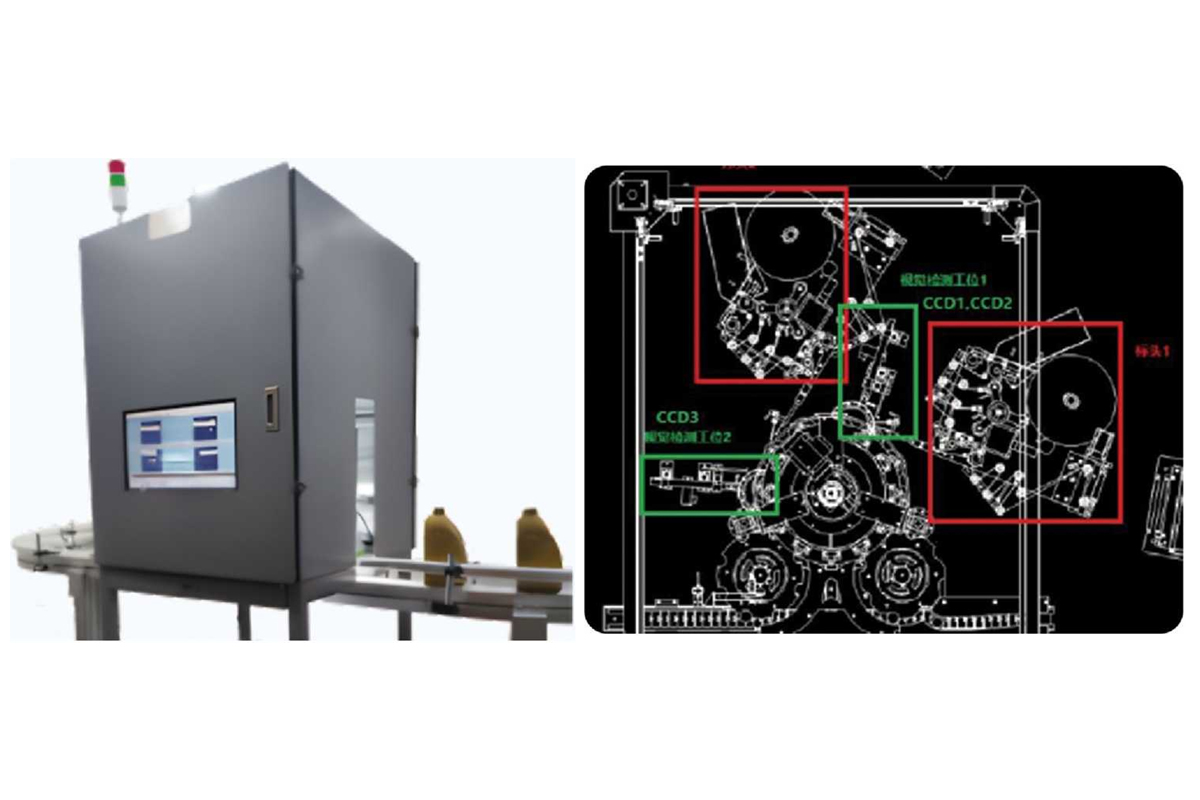
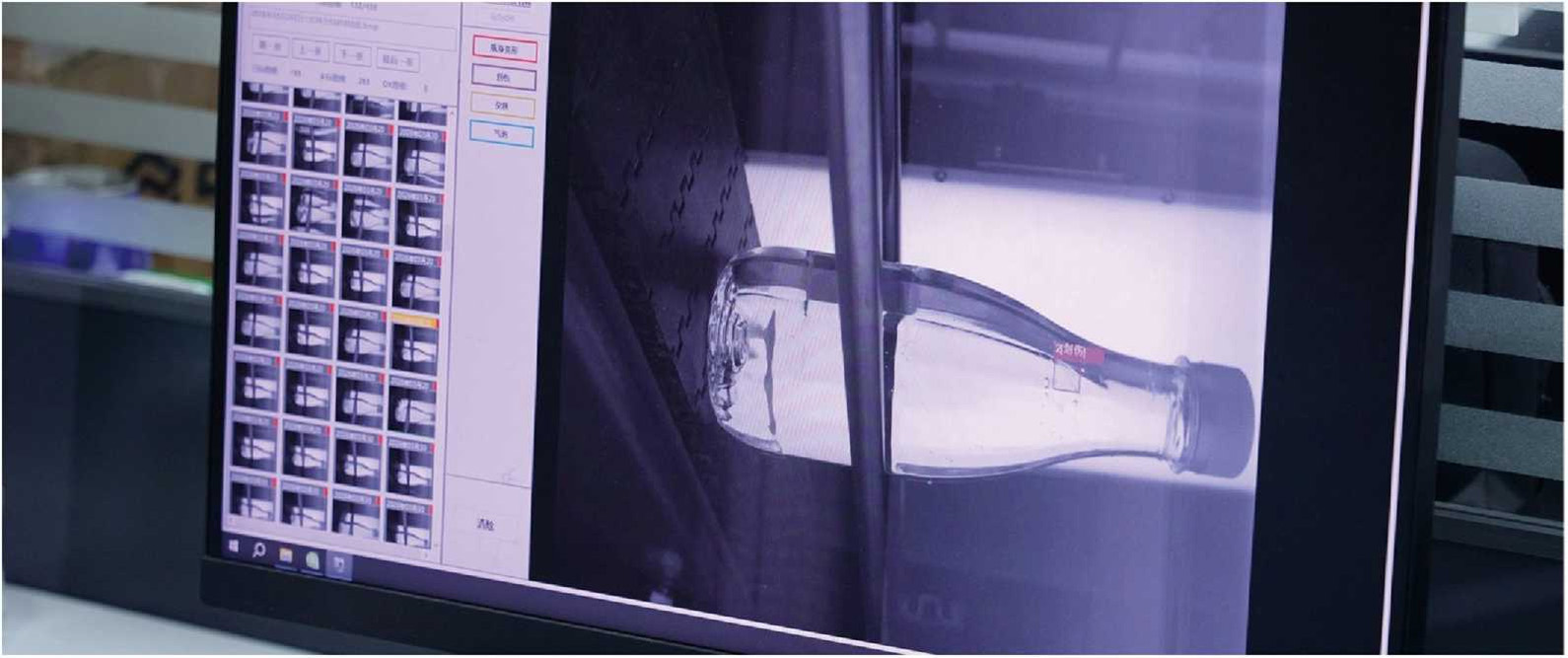
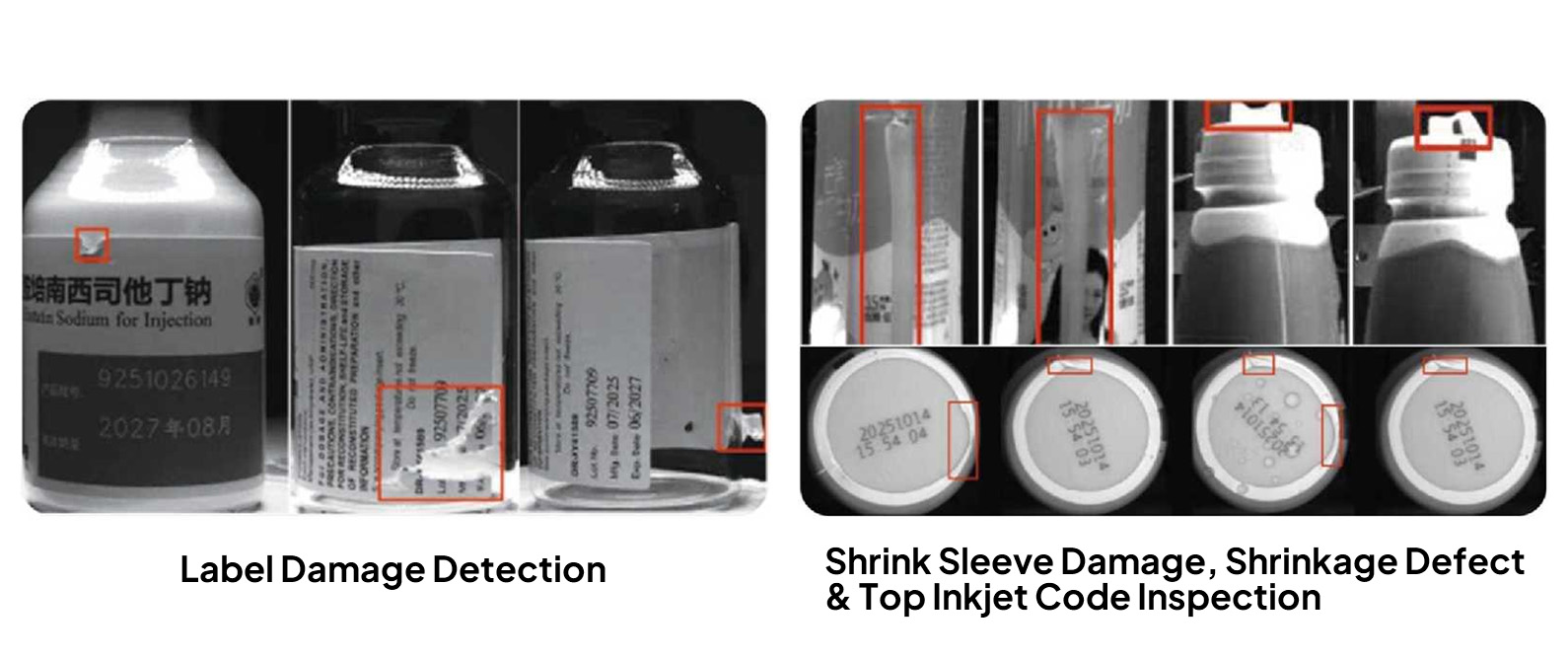
HAI Deep Learning for Complex Label Defects:The AI Label Inspection Equipment uses deep learning technology to identify defects that may be difficult to detect using conventional rule-based vision inspection. AI inspection can be applied to defects such as label wrinkles, bubbles, tears, and folded seams.For AI deep learning inspection items, customers need to provide at least 200 defective samples for each label type. These samples are used for image acquisition and AI model training, allowing the inspection system to learn the specific appearance characteristics of the customer's products and defects.
Comprehensive Label Defect Detection:The label inspection system can detect a wide range of labeling defects, including missing labels, mixed labels, incorrect label orientation, label misalignment, tilted labels, label tears, wrinkles, bAI Deep Learning for Complex Label Defectsubbles, folded seams, raised edges, and other abnormal conditions.Depending on the configured inspection criteria, the system can check label presence, label position, label orientation, seam condition, surface appearance, and other quality parameters. This helps manufacturers reduce manual inspection and improve consistency in automated production.
High-Speed Automatic Label Inspection:The AI vision inspection system is designed for continuous production lines and can reach a detection speed of up to 50,000 units per hour under the specified configuration.High-speed image acquisition and AI processing allow each product to be inspected automatically as it passes through the inspection station. When a defective product is identified, the system can communicate with the rejection mechanism to remove the product from the production line.This makes the equipment suitable for high-speed labeling applications where manual inspection cannot provide consistent inspection speed or quality control.
Precise Label Position and Appearance Inspection:The system can inspect label positioning and appearance according to predefined defect criteria. Typical inspection functions include upper and lower label offset detection, tilted label detection, missing label detection, top label presence detection, and label seam inspection.For example, the system can identify upper or lower label displacement greater than ±1.5 mm and label tilting greater than 5°. Detection parameters can be configured according to the actual product and labeling requirements.
Self-Developed VisionMax Vision Platform:The equipment is equipped with a proprietary VisionMax vision platform and self-developed remote data communication modules. A continuous automatic alarm system provides abnormal-condition warnings during operation.The VisionMax platform supports image processing, inspection parameter management, data communication, alarm management, and AI inspection functions, providing an integrated software environment for automated label quality inspection.
VisionMax-AI Deep Learning Technology:VisionMax-AI is developed based on the NVIDIA CUDA platform and is designed for AI-based visual defect inspection.The AI program can be trained to recognize appearance defects such as wrinkles, bubbles, tears, and folded label seams that may be difficult to distinguish through traditional image-processing methods. This enables the system to provide a more flexible solution for complex label quality inspection requirements.
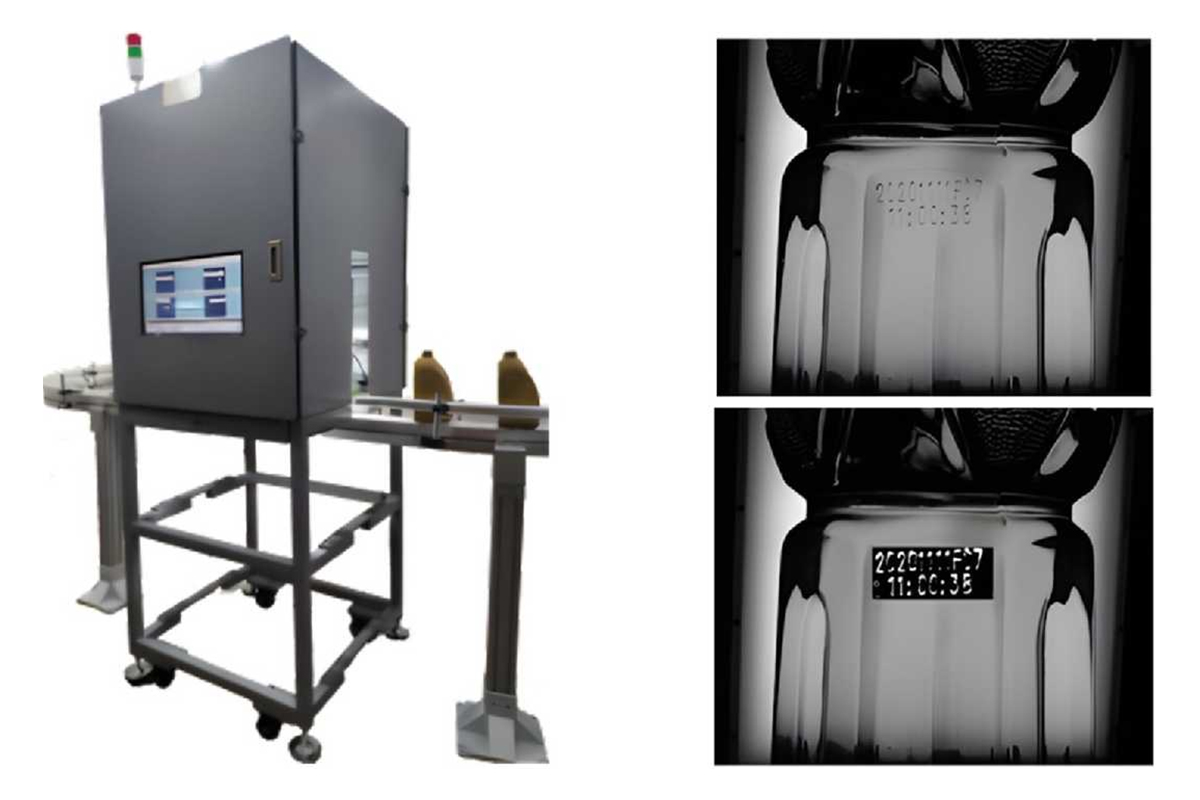
High-Quality Industrial Components:The AI Label Inspection Machine uses industrial-grade components to support stable long-term operation. The imaging system uses German BASLER industrial cameras with Italian OPTO lenses for high-quality image acquisition.The control system uses Siemens components, while the switching power supply uses Mean Well components. Schneider circuit breakers and rotary isolators are used for electrical protection. Omron encoders and industrial lighting components are also integrated according to the equipment configuration.The system is equipped with a 23-inch industrial display for convenient operation and monitoring.
Customized AI Computing Hardware:The equipment uses a customized industrial computer developed for AI vision inspection applications. It integrates Intel image processing hardware and NVIDIA AI graphics processing hardware to provide the computing performance required for high-speed image analysis.The customized hardware configuration supports continuous AI inspection and helps maintain stable processing performance in high-speed production environments.
304 Stainless Steel Construction:The main equipment structure is made of 304 stainless steel, providing good corrosion resistance, mechanical strength, and durability.The robust structure is suitable for industrial production environments where the equipment may be exposed to vibration, dust, or humidity. The durable construction also helps maintain stable inspection performance during long-term operation.